Educational Resource
Understanding Herbal Ingredients in Everyday Products
An informational perspective on herbal ingredients in men's supplements and daily body care. This resource provides general context about plant-based components commonly found in various product categories.
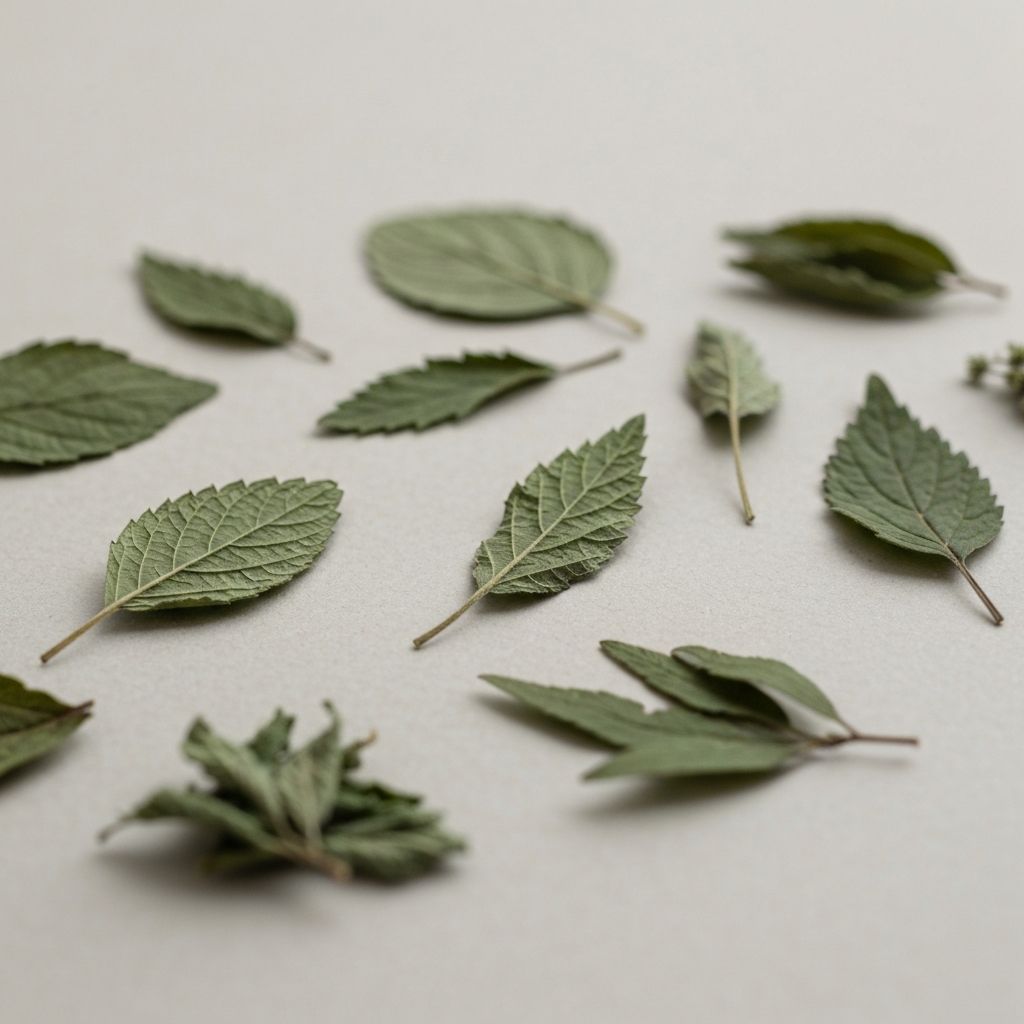
Herbal Ingredients in Everyday Products
Plant-based ingredients have been incorporated into various product formulations for centuries. From traditional preparations to contemporary formulations, botanical components appear across numerous product categories.
This section provides general information about the types of herbal ingredients that may be encountered in everyday products, particularly those marketed toward men's personal care and supplementation.
Understanding the terminology and categories of these ingredients can help in reading product labels and recognizing common botanical names.
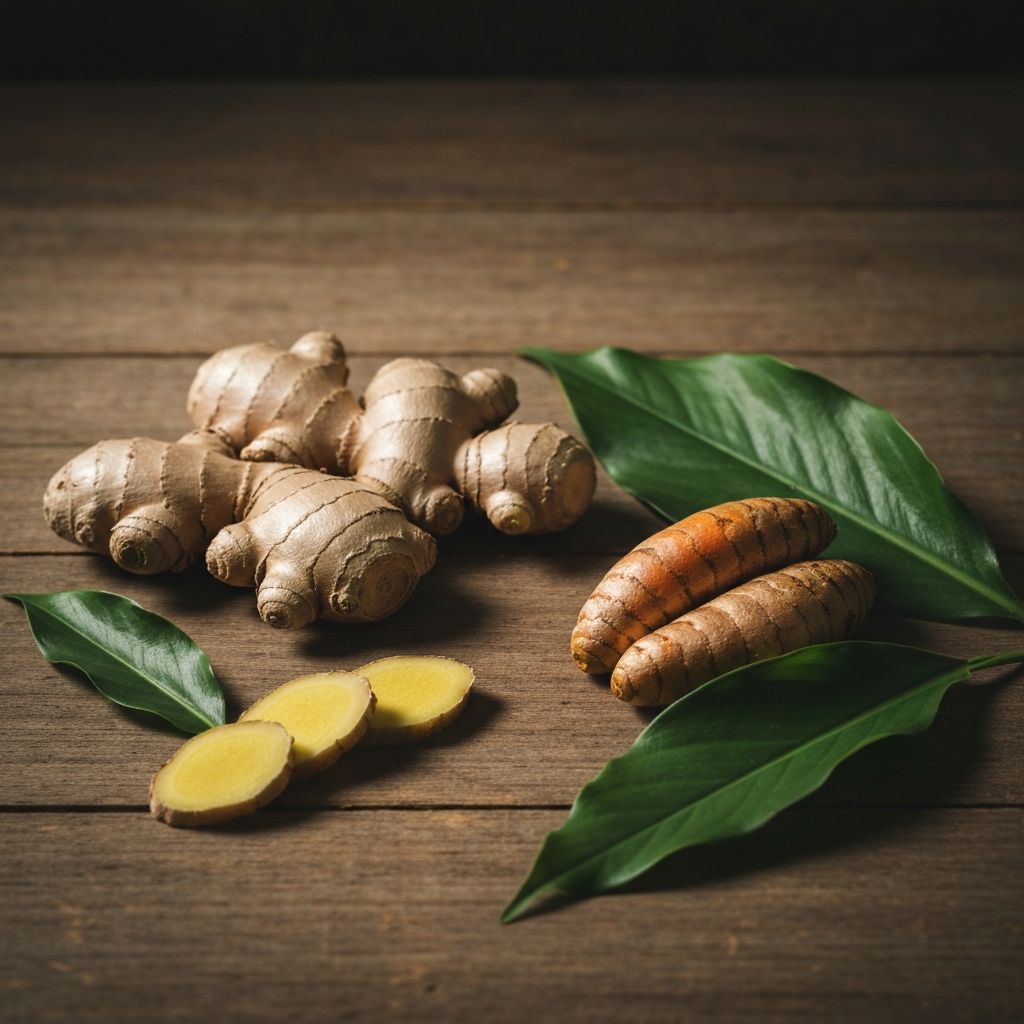
Men's Body Care as a Daily Routine
Personal care routines vary widely among individuals and cultures. Products designed for men's daily care often include a range of formulations such as cleansers, moisturizers, and grooming items.
The composition of these products may include both synthetic and naturally-derived ingredients. Understanding what these formulations typically contain can provide context when exploring product categories.
General Categories
Men's care products are generally categorized into skincare, haircare, and body care segments. Each category may feature different types of ingredients based on the intended application area and formulation type.
The presence of herbal or plant-derived components in these products reflects broader trends in formulation practices across the personal care industry.
Plant-Based Components in Supplements
Dietary supplements represent a distinct product category from personal care items. Supplements may contain various botanical ingredients, often listed by their common or scientific names.
The supplement industry utilizes a wide range of plant materials, including roots, leaves, seeds, and extracts. These components are processed and formulated according to manufacturing standards specific to each region.
Reading supplement labels requires familiarity with ingredient nomenclature and an understanding that formulations vary significantly between products and manufacturers.
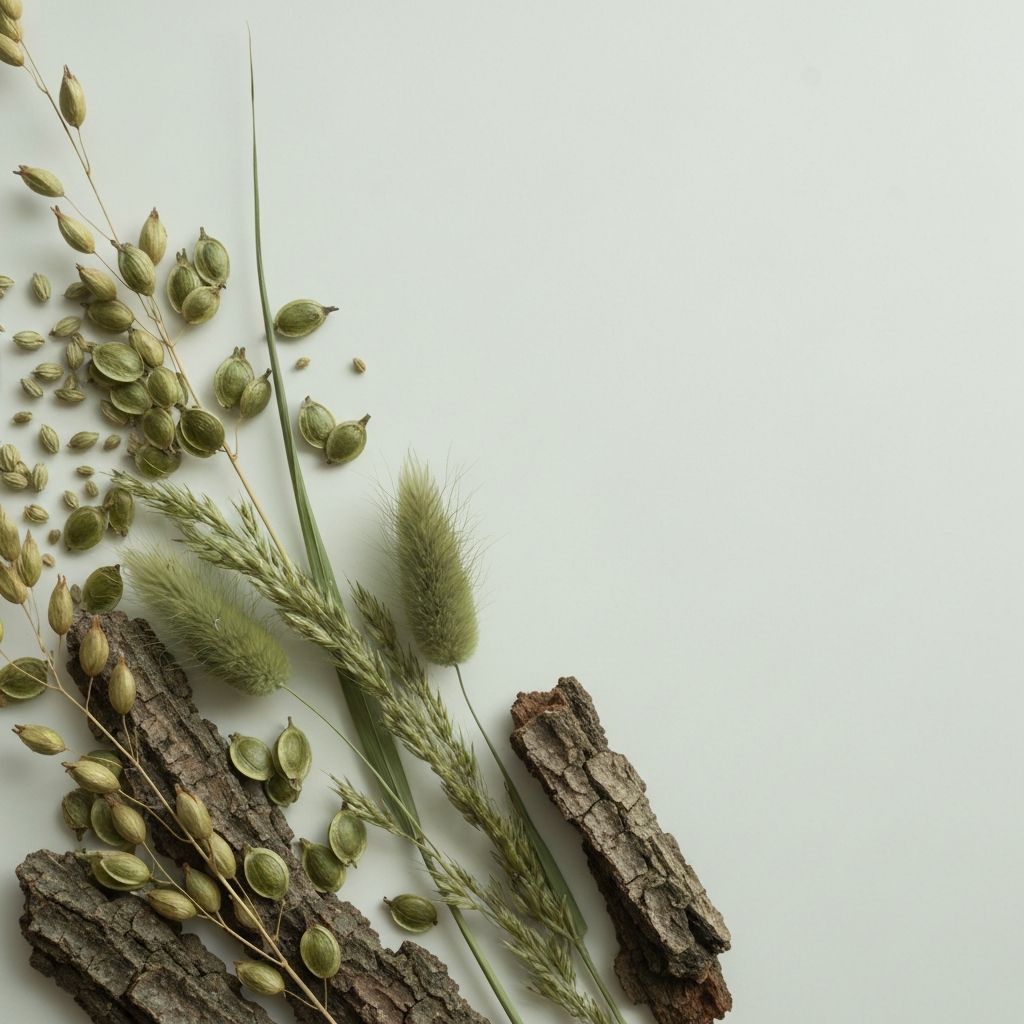
Common Herbal Categories Overview
Herbal ingredients can be broadly categorized based on the plant part used or the traditional context of their use. Below are some general categories frequently encountered in product formulations.
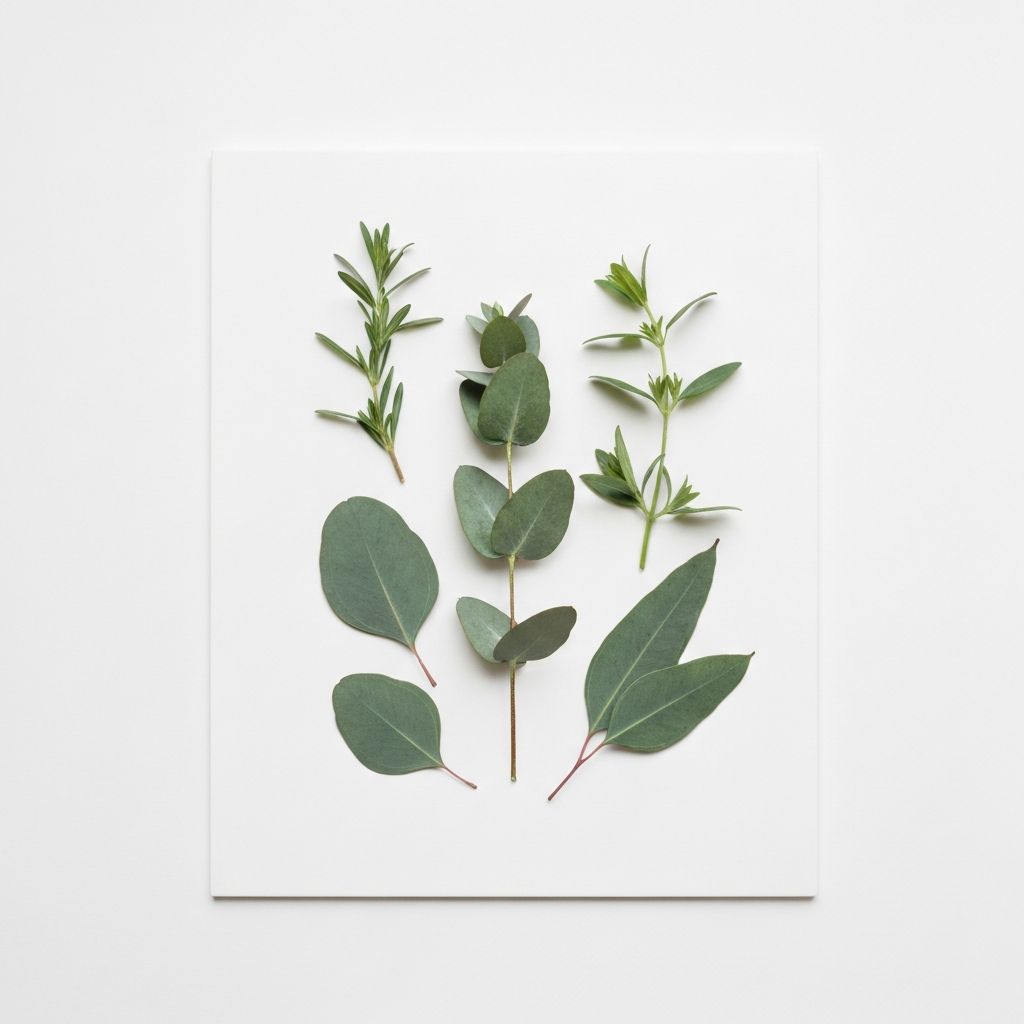
Leaf-Based Ingredients
Many formulations incorporate ingredients derived from plant leaves. These may include extracts, dried materials, or processed forms used across various product types.

Root and Bark Components
Roots and bark from various plants appear in supplement formulations. These materials are typically processed into powders or extracts before incorporation into products.
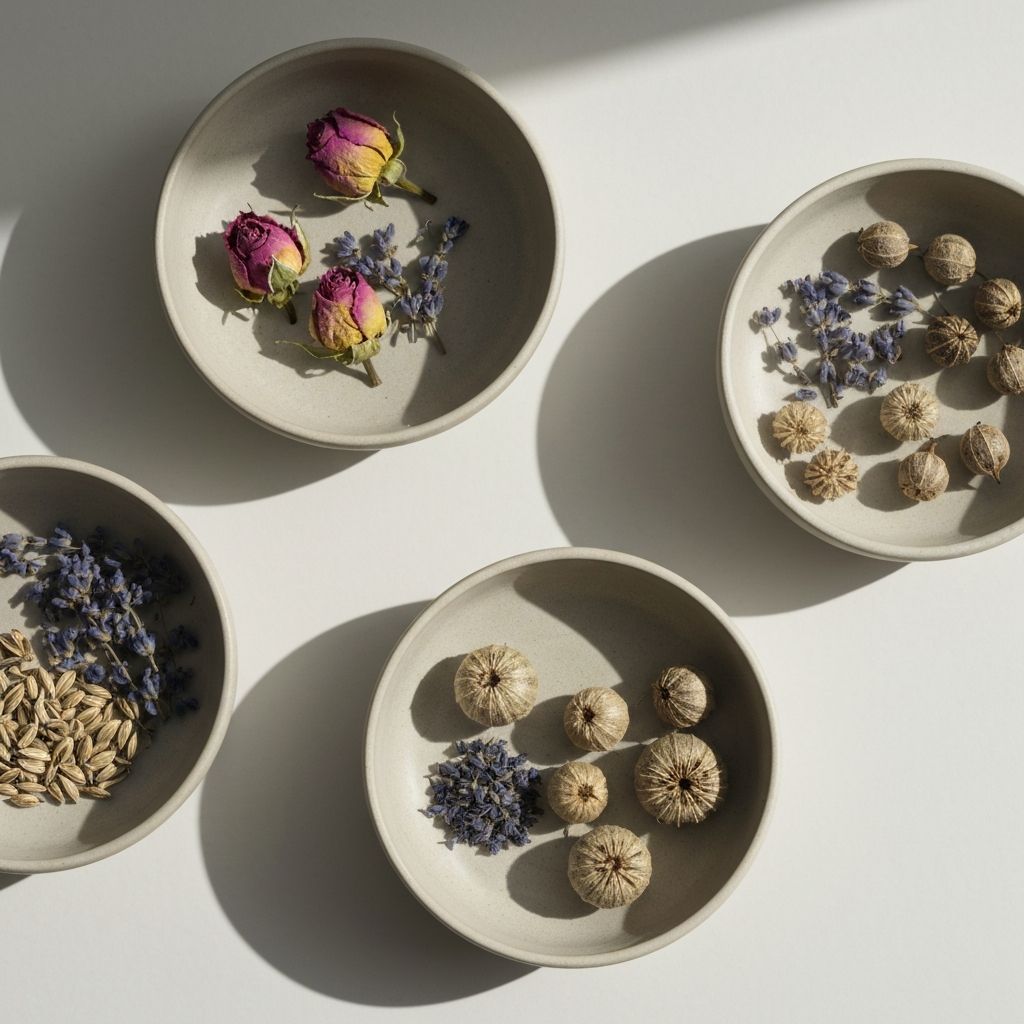
Seeds and Flowers
Seeds and flower components are used in both care products and supplements. Processing methods vary depending on the intended application and product type.
Textures and Formulations Explained
Product formulations come in various textures and forms, each designed for specific applications. Understanding these formats can help when exploring product categories.
Topical Formulations
Creams, lotions, gels, and oils represent common topical formats. The texture of these products depends on their ingredient composition and intended use area.
Supplement Formats
Supplements may appear as capsules, tablets, powders, or liquid preparations. The format often relates to the ingredient composition and manufacturing process.
Each formulation type has characteristics that affect how ingredients are incorporated and presented in the final product.
Cultural Context of Herbal Use in Indonesia
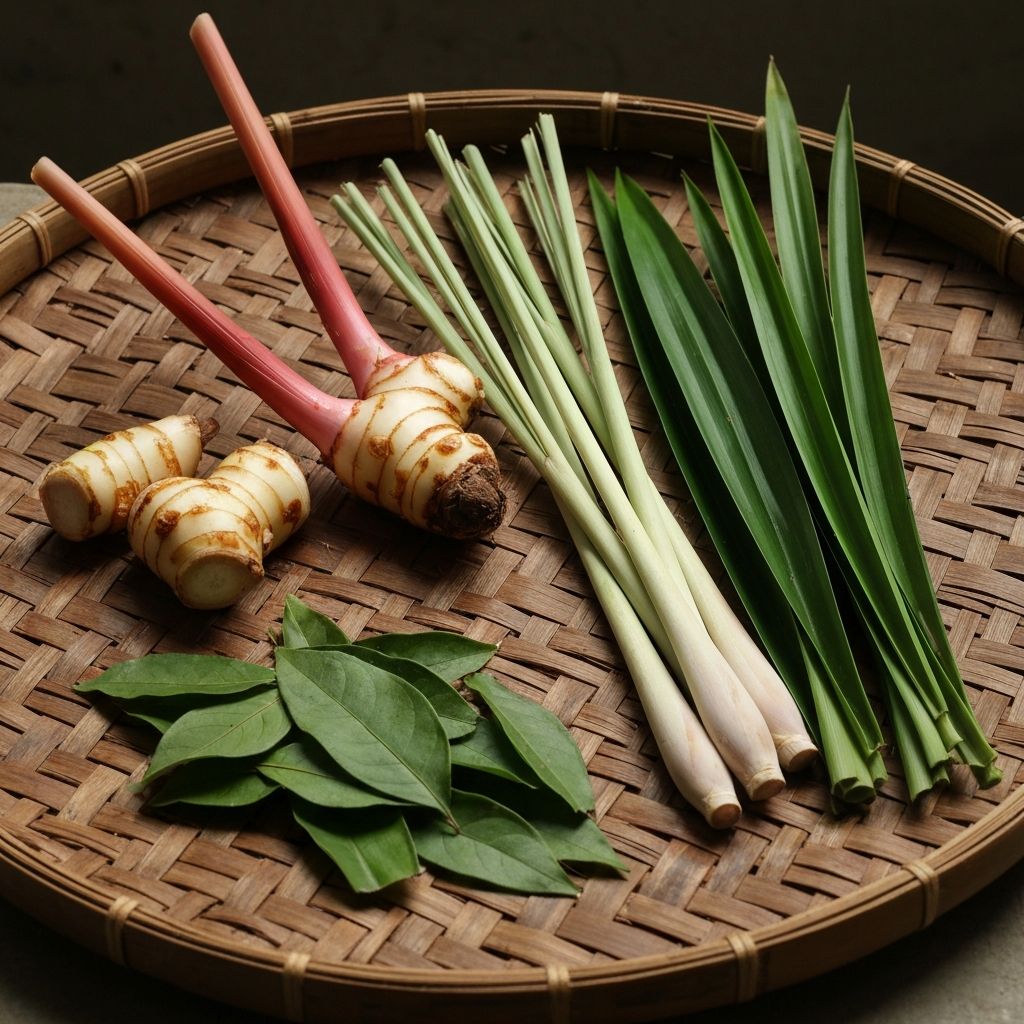
Indonesia has a rich tradition of utilizing botanical materials across various cultural practices. The archipelago's biodiversity has contributed to a diverse range of plant materials used in traditional contexts.
Traditional Indonesian preparations, often referred to as jamu, represent a cultural heritage that has influenced how botanical ingredients are perceived and utilized in the region.
This cultural context provides background for understanding the presence of certain botanical ingredients in products available in Indonesian markets.
Reading Ingredient Lists Neutrally
Product labels contain ingredient lists that follow specific formatting conventions. Understanding how to read these lists can help identify the types of components present in a formulation.
Ingredients are typically listed in descending order by quantity, with the most prevalent ingredients appearing first. Scientific names may be used alongside common names.
Approaching ingredient lists with neutral curiosity allows for better understanding of product composition without making assumptions about outcomes.
Limits of General Information
Important Context
The information presented on this website is intended for general educational purposes only. This content does not constitute advice, recommendations, or guidance of any kind. All materials are descriptive in nature and should not be used as a basis for personal decisions. Individual circumstances vary, and this general information cannot account for specific situations or needs.
Educational resources like this one serve to provide context and terminology familiarity. They are not substitutes for individual research, professional consultation, or personal judgment.
The scope of this resource is limited to providing general information about categories and types of ingredients commonly discussed in relation to men's care products and supplements.
Frequently Asked Questions
Contact Information
Jl. Cikajang No. 17, Bandung, Indonesia
+62 82 6 91 704 58
Send a Message
Explore the Topic
Read for general context about herbal ingredients in everyday products.
Learn about common ingredients